
Millcreek Foundation Pros
Basement Waterproofing in Millcreek, UT
Interior drain tile and sump pump systems for basement waterproofing in Millcreek. Free moisture assessments and estimates.
- 15+ Years local experience
- 500+ Projects completed
- Licensed & Insured
Serving Millcreek and nearby communities.
That musty smell every spring isn't your imagination. Snowmelt raises groundwater along the Wasatch Front, and full-basement homes in Millcreek take on hydrostatic pressure right at the wall-floor joint. Water finds a way in there before it ever shows up as a visible puddle.
Millcreek Foundation Pros treats waterproofing as part of the structural system, not a separate add-on. Drain tile, sump pump, and wall sealing work together to manage where the water goes.
What's included
What's included with Basement Waterproofing
Typically included Optional Customer prep
- Moisture source inspection along walls and the floor joint
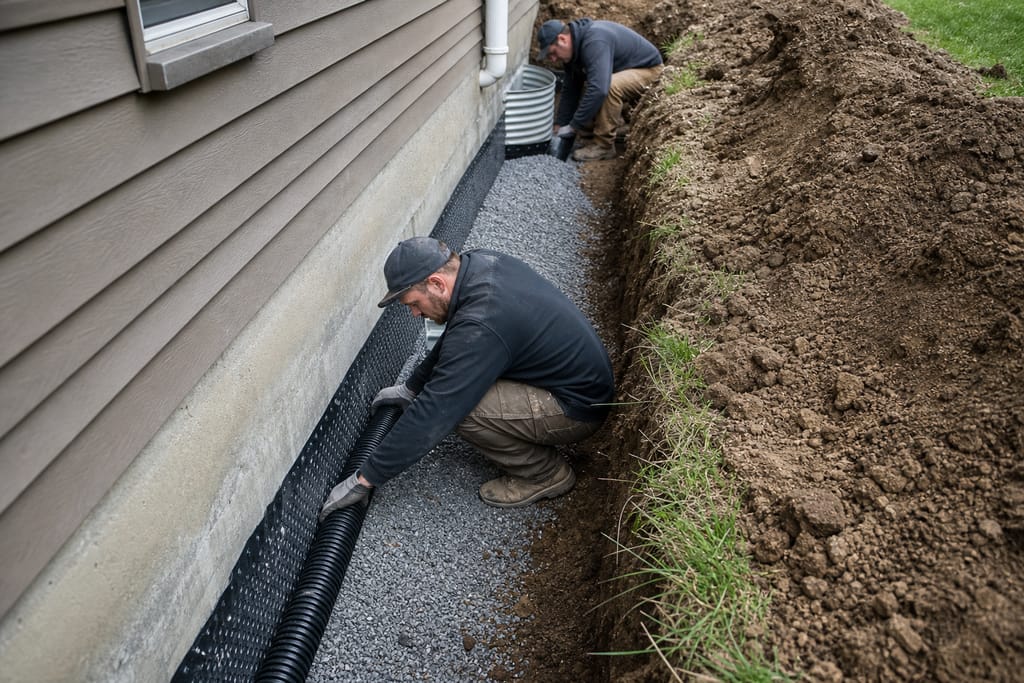
- Interior drain tile install or sump pump install/check
- Wall sealing and exterior grading review
- Exterior waterproofing membrane for homes with chronic seepage
- Battery backup pump for power-outage protection
- Clear basement perimeter access for drain tile work
- Move stored items off the floor near affected walls
Want a clearer scope?
Get a Free EstimateBasement Waterproofing
Waterproofing Process
- Moisture Assessment — The basement is inspected for leaks, dampness, and water entry points.
- Drainage Evaluation — Existing drainage systems are reviewed for effectiveness and blockages.
- Interior Drain Installation — A drainage channel is installed along the basement perimeter to collect water.
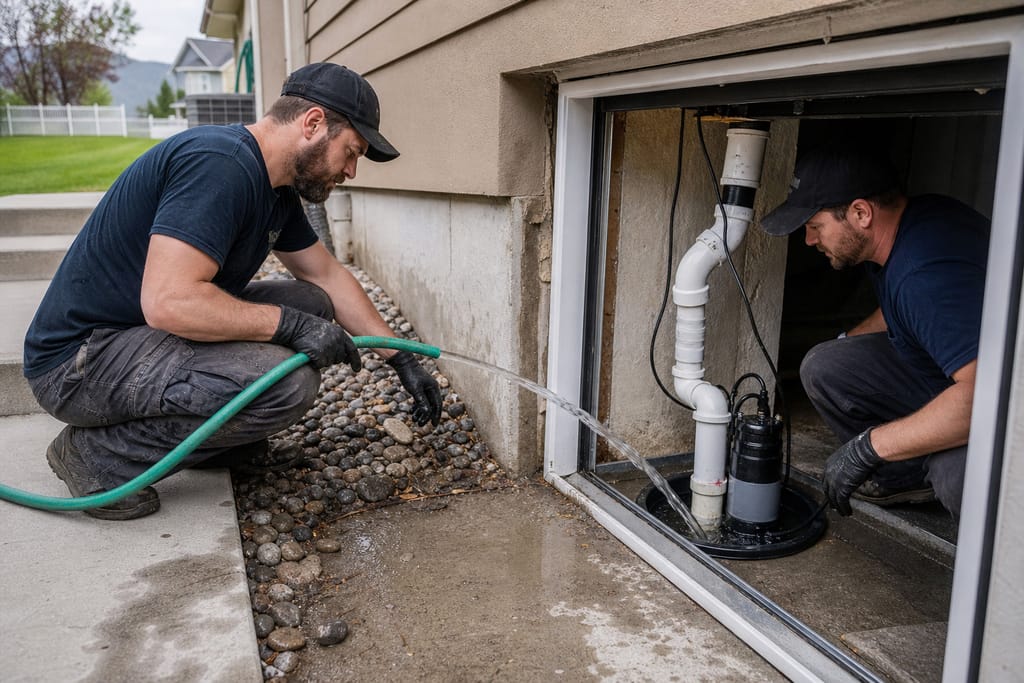
- Sump Pump Setup — A pump system is installed to remove collected water from the area.
- Wall Sealing — Walls are treated with waterproof coatings to prevent moisture intrusion.
- System Testing — The waterproofing system is tested to verify proper function.
Questions about this?
Get a Free EstimateMaterials
Materials and methods for Basement Waterproofing
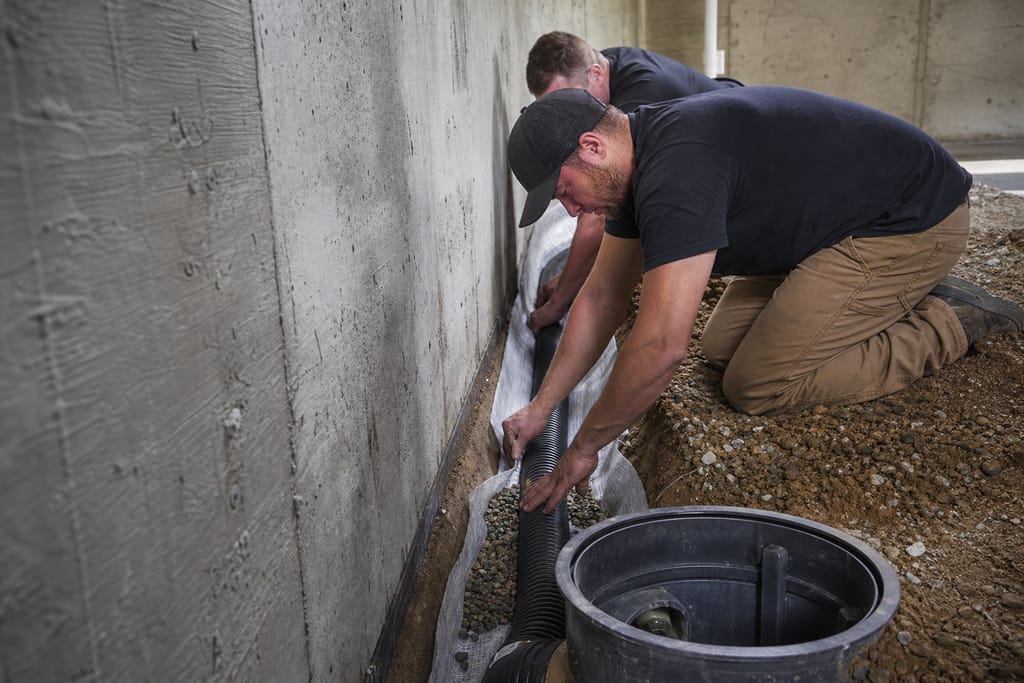
Interior Drain Tile
Channels water to a collection point before it reaches living spaces, the main defense in full-basement homes against spring groundwater.
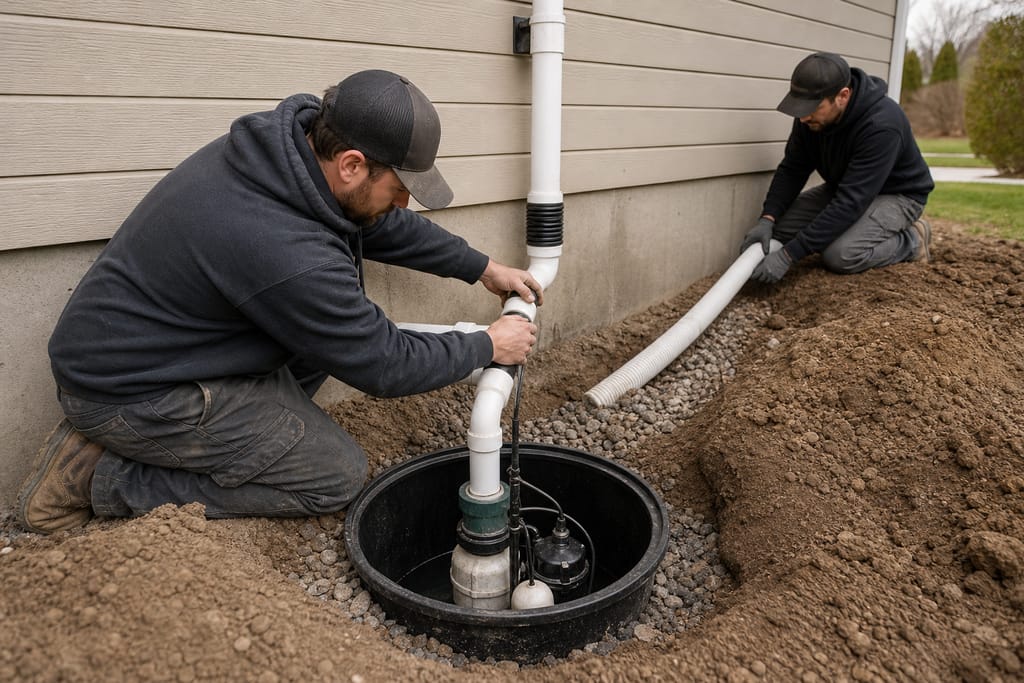
Sump Pump System
Removes accumulated water to keep the basement dry through peak snowmelt weeks.
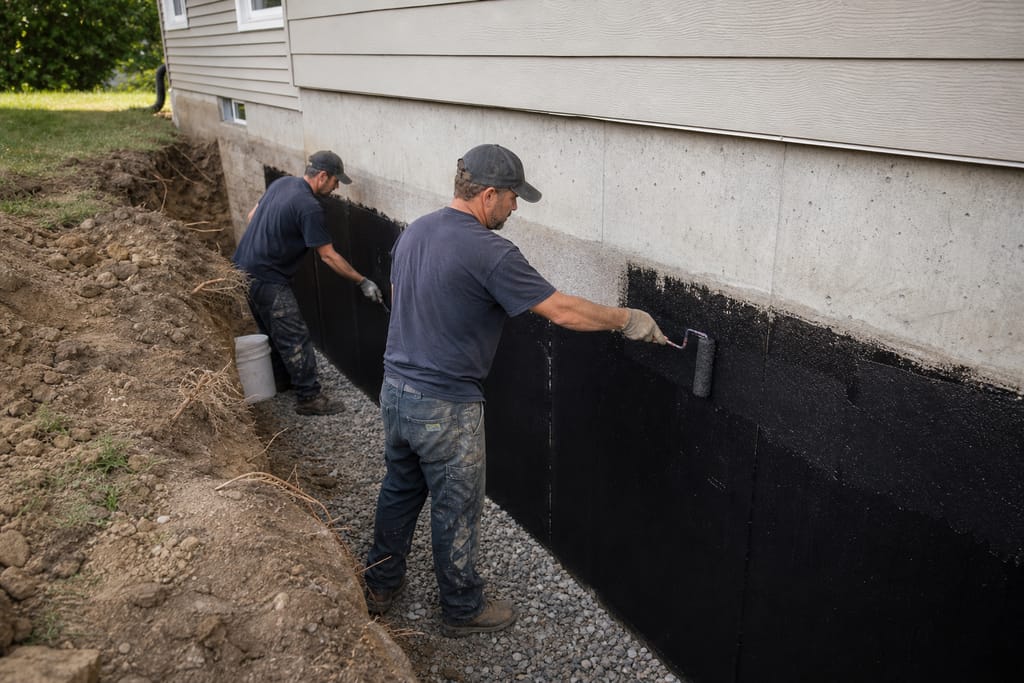
Waterproof Wall Coating
Creates a barrier against moisture penetration through basement walls.
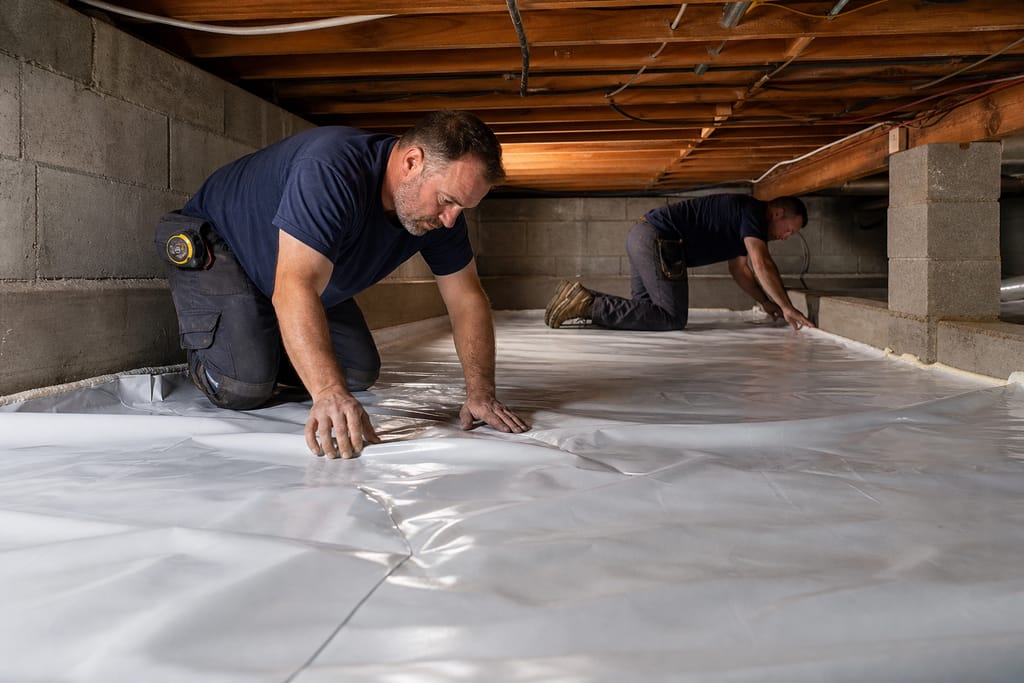
Vapor Barrier Sheeting
Reduces humidity transfer from soil into the basement space.
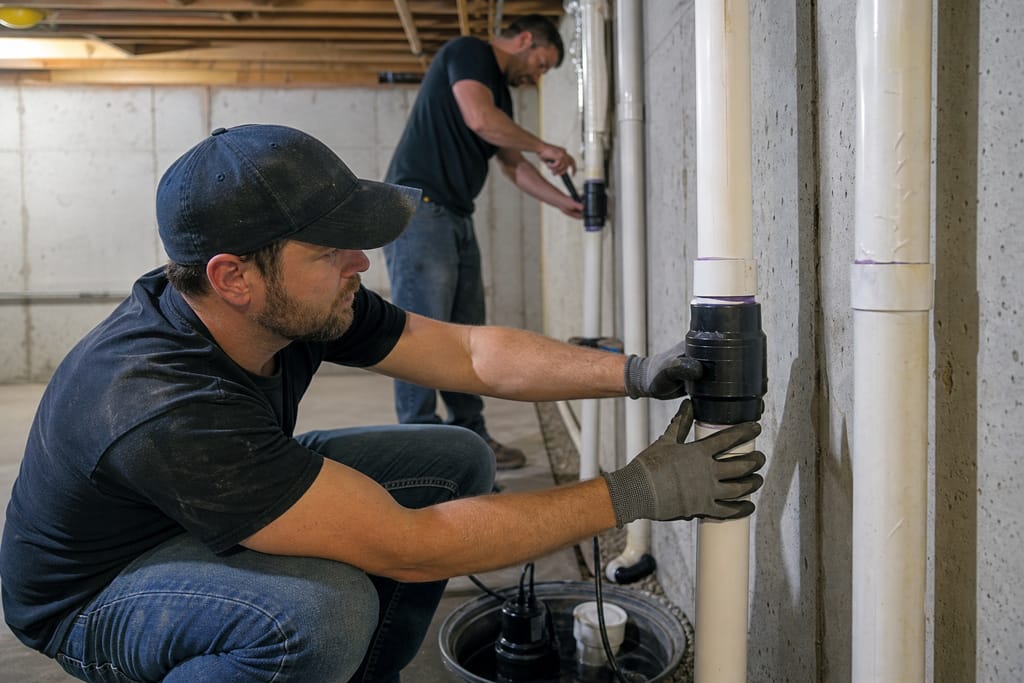
Check Valve
Prevents discharged water from flowing back into the system.
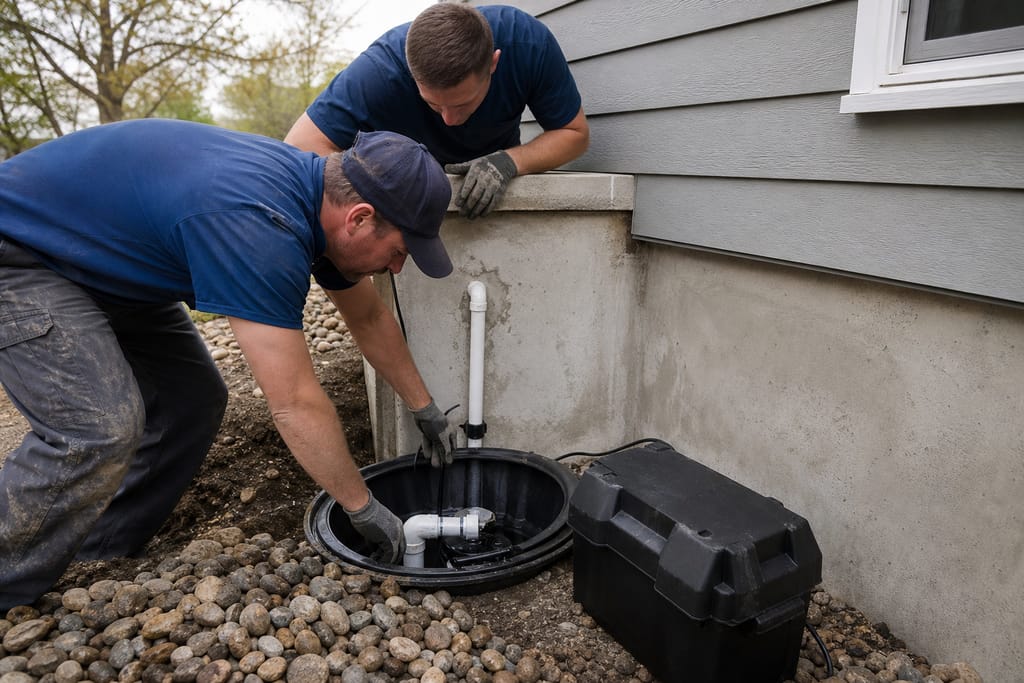
Battery Backup Pump
Provides continued pump operation during power outages, useful during spring storms.
Questions on materials?
Get a Free EstimateWhen to call
When to call for Basement Waterproofing
Call Millcreek Foundation Pros for a moisture assessment, or request a free estimate before the problem gets worse.
- Musty smell shows up every spring like clockwork
- Visible seepage along the wall-floor joint after snowmelt
- Standing water in the basement after heavy rain or runoff
- Efflorescence (white chalky residue) on basement walls
Seeing warning signs?
Get a Free EstimateFAQs
Basement Waterproofing FAQs
What's the difference between french drains and a sump pump system?
A french drain redirects water on the exterior before it reaches the foundation. A sump pump handles water that's already collected inside, usually via interior drain tile feeding into a pit. Many Millcreek homes benefit from both working together.
Why does my basement smell musty every spring?
Snowmelt raises groundwater and pushes moisture through basement walls and the floor joint, even without visible flooding. The smell is often the first sign before you see any water.
How much does basement waterproofing cost?
It depends on whether you need interior drain tile, sump pump work, or full exterior waterproofing. A moisture assessment will scope the right combination.
Is DIY waterproofing worth trying?
Improving surface grading around your home is a reasonable DIY step. Interior drain tile and sump tie-in need professional slope and flow work to actually function.
Does this fix a bowing wall too?
Waterproofing addresses the water. If the wall is also bowed, pairing with wall stabilization handles the structural piece.
How it works
Our process
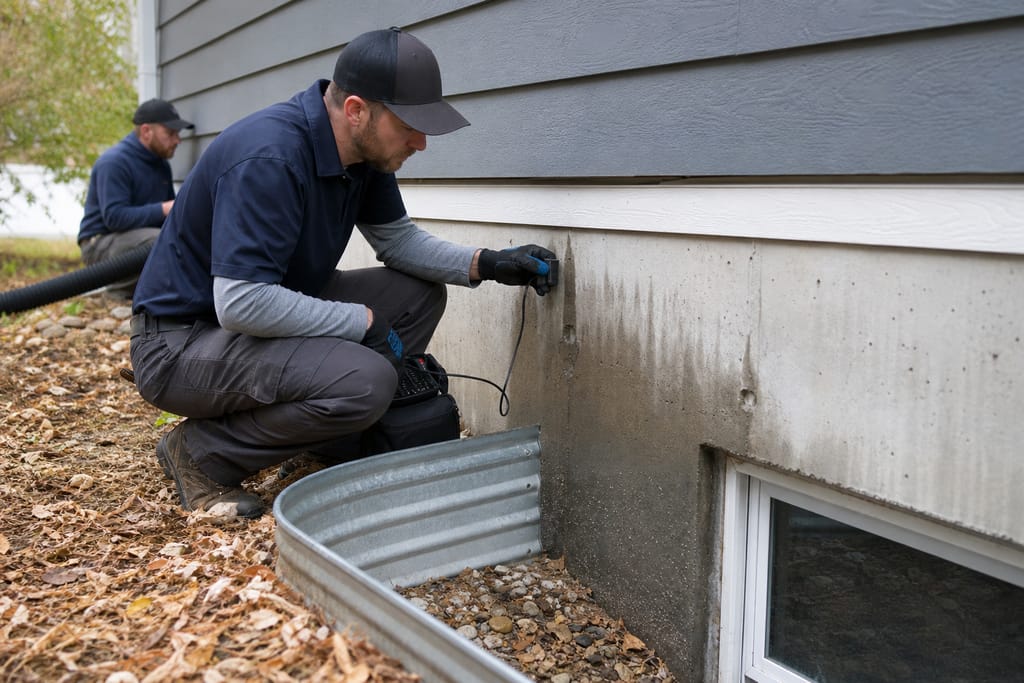 Step 1
Moisture Assessment
The basement is inspected for leaks, dampness, and water entry points.
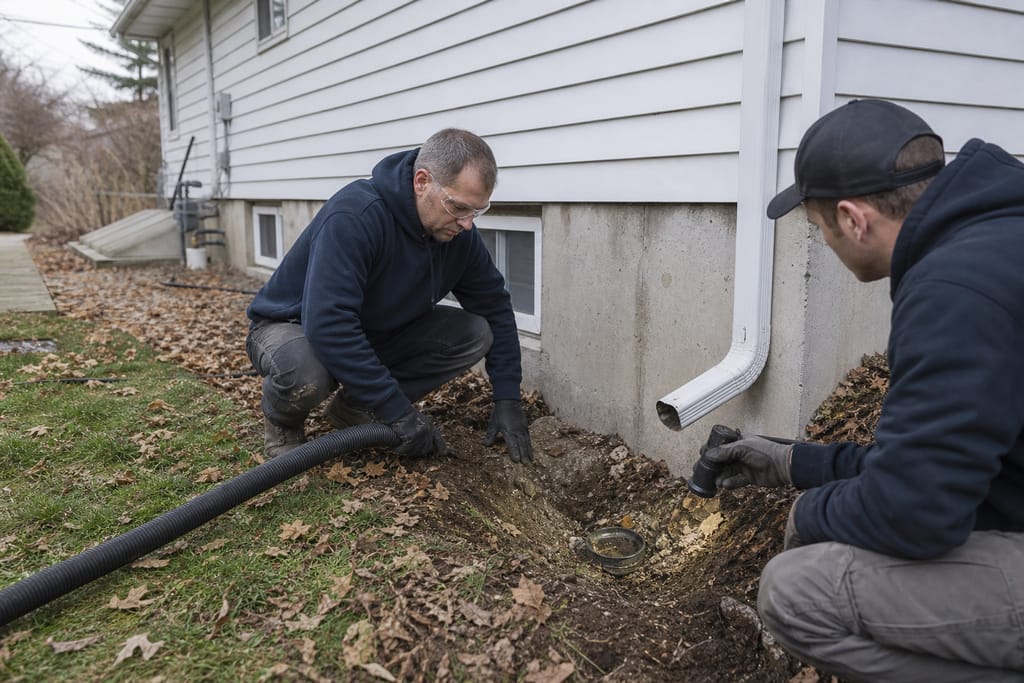 Step 2
Drainage Evaluation
Existing drainage systems are reviewed for effectiveness and blockages.
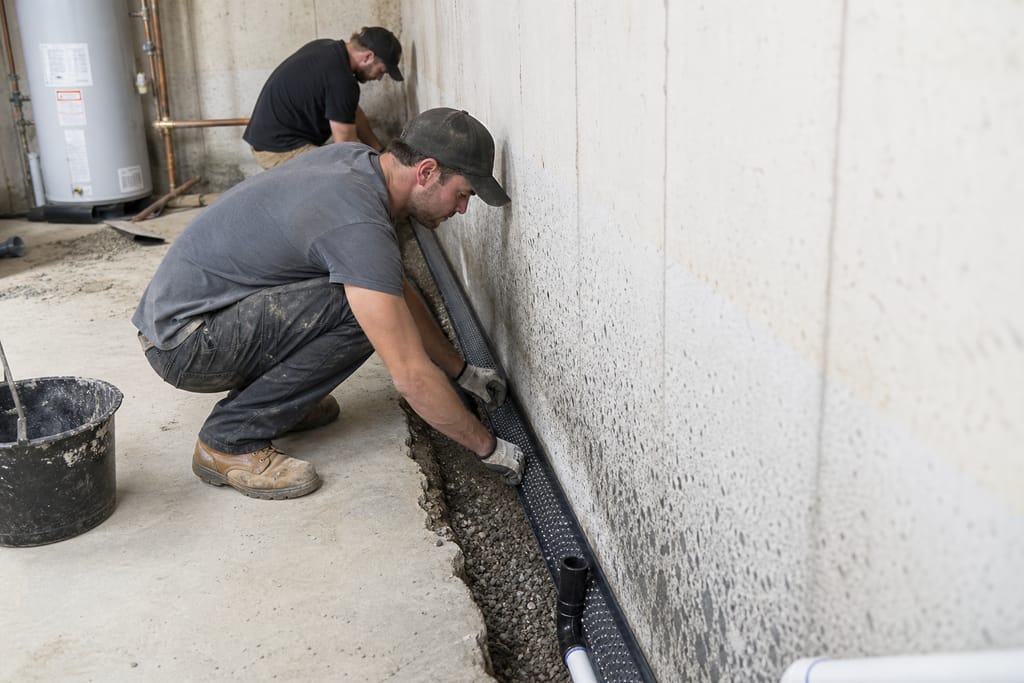 Step 3
Interior Drain Installation
A drainage channel is installed along the basement perimeter to collect water.
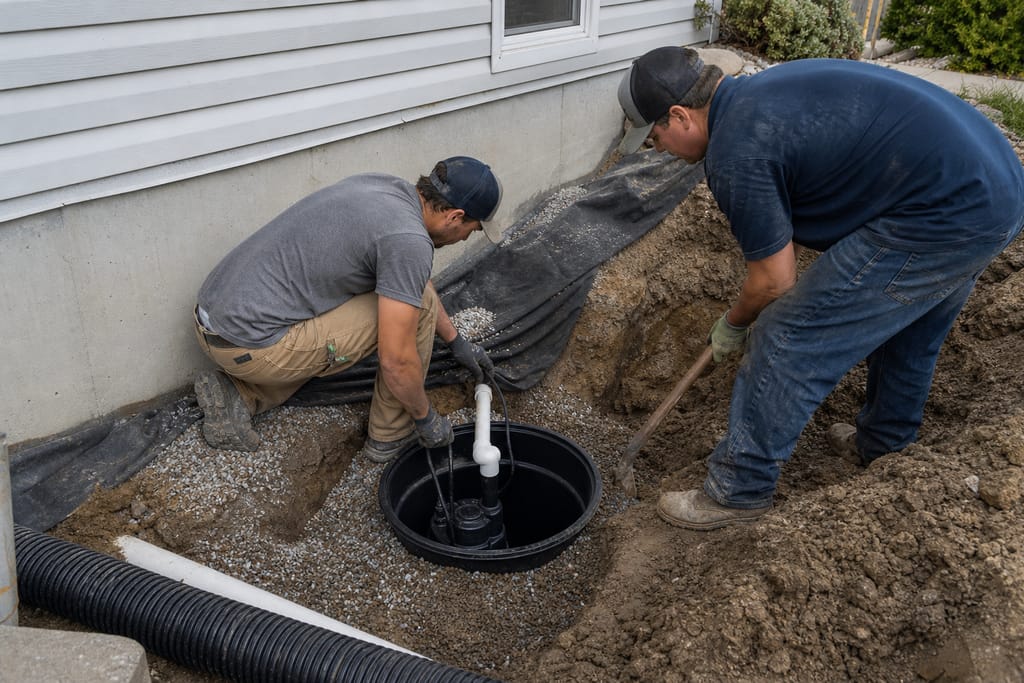 Step 4
Sump Pump Setup
A pump system is installed to remove collected water from the area.
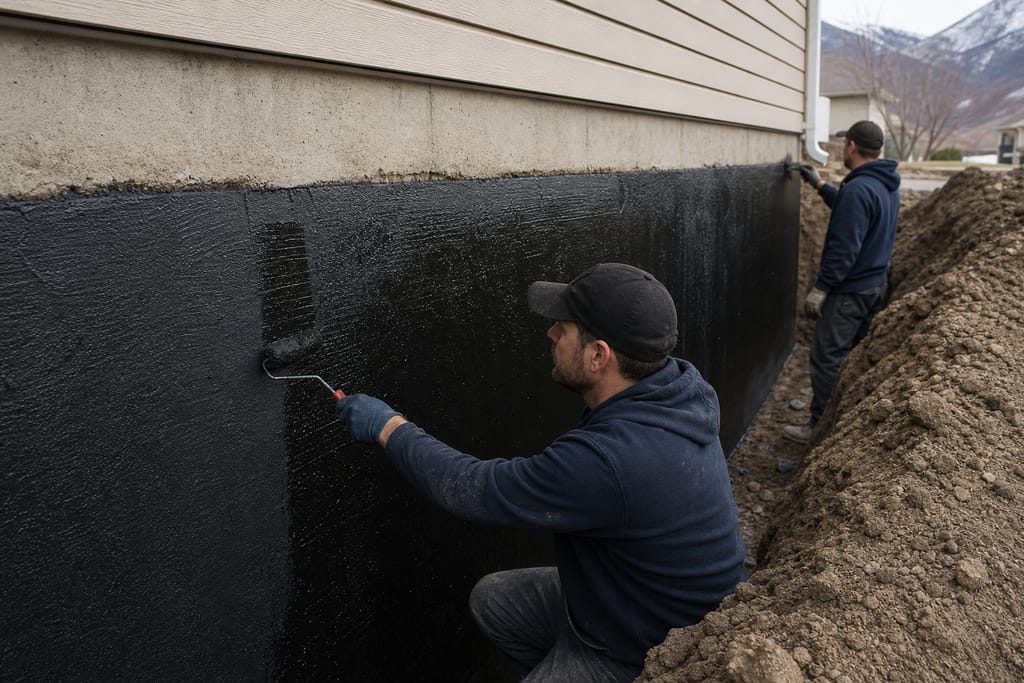 Step 5
Wall Sealing
Walls are treated with waterproof coatings to prevent moisture intrusion.
 Step 6
System Testing
The waterproofing system is tested to verify proper function.
More services
Other Foundation Repair services
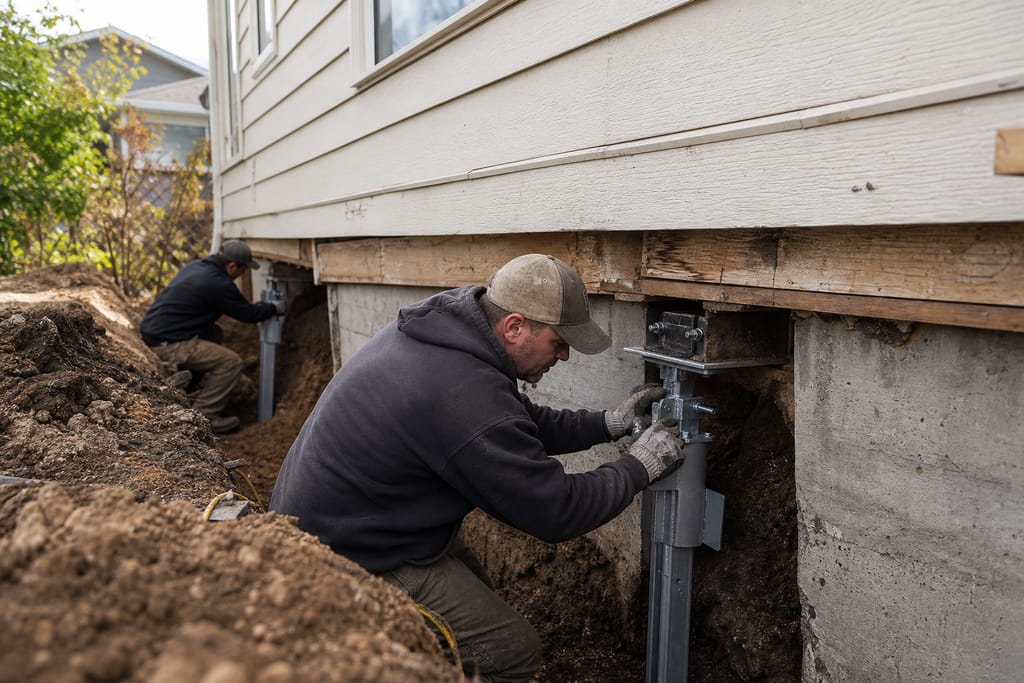
Foundation Repair
Foundation repair in Millcreek using push piers, helical piers, and epoxy injection. Free estimates, written scope before work starts.
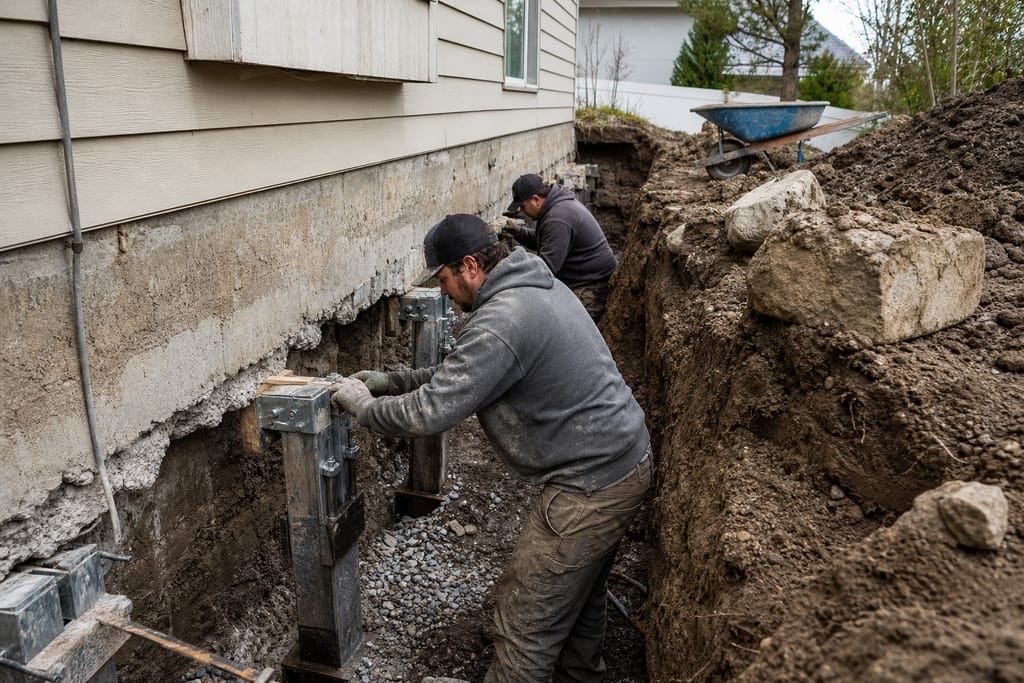
Piering and Underpinning
Push pier and helical pier underpinning in Millcreek for settling foundations. Free estimates, written per-pier cost breakdown.
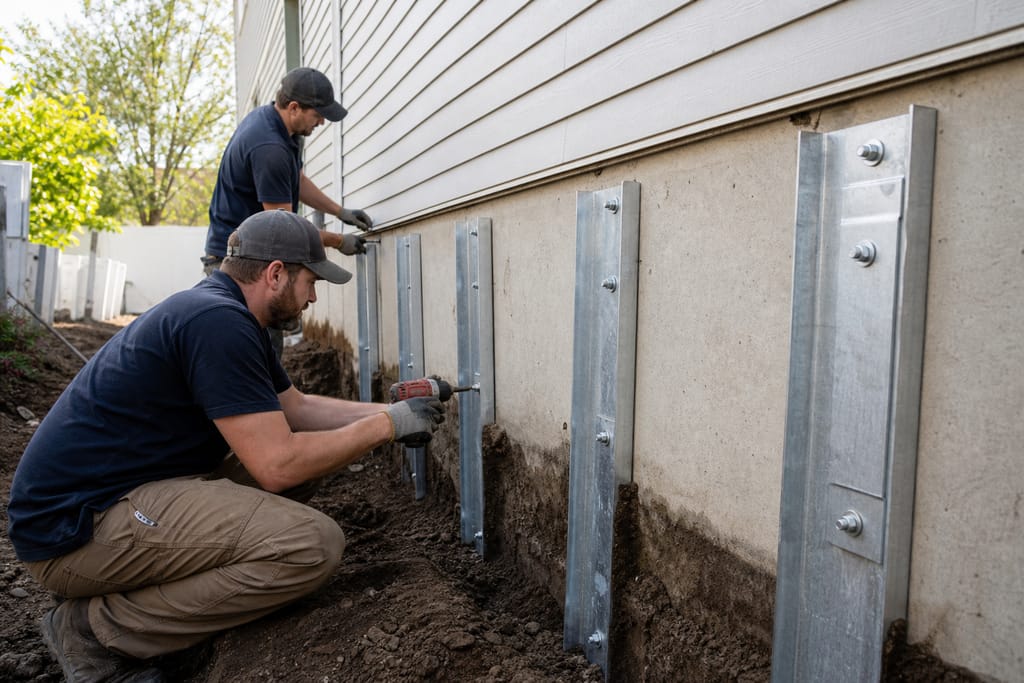
Wall Stabilization
Carbon fiber straps and steel bracing for bowing basement walls in Millcreek. Free estimates, written scope before work starts.
Ask about Basement Waterproofing
Tell us about the project and how to reach you.